
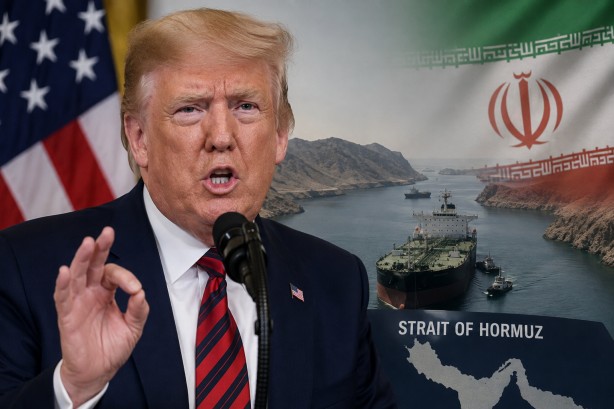
Iran has issued a stark warning to Gulf states, cautioning that any new military action by the United States on Iranian soil could lead to retaliatory strikes targeting vital energy infrastructure throughout the Gulf region. This warning was reportedly communicated by Iranian Foreign Minister Abbas Araqchi during discussions with senior officials from several neighboring countries, including Saudi Arabia, Qatar, Turkey, and Pakistan. Araqchi’s message urged these nations to encourage Washington to refrain from further military provocations, emphasizing that an attack on Iran would provoke counterattacks on American assets and key energy sites across the area.
This development comes in the wake of recent threats from U.S. President Donald Trump, who signaled the potential targeting of Iran’s energy infrastructure. In response, Iran has reiterated its commitment to diplomacy as the preferred course of action but has also made it clear that it stands ready to respond forcefully if necessary. Iran’s position underscores the tension in the region, with the potential for hostilities to impact the stability of Gulf energy supplies and escalate regional tensions.
Saudi Arabia has reportedly taken steps to urge the United States to prioritize diplomatic negotiations over military escalation. Riyadh has also conveyed its readiness to defend itself in the event of any aggression towards its own territory. The Saudi stance highlights the delicate balancing act regional powers face as they navigate the heightened tensions between Iran and the United States.
The potential Iranian retaliation mentioned in the discussions includes the targeting of strategic sites such as oil facilities, refineries, power grids, water systems, transportation networks, and oil fields should another U.S. strike take place. This scenario has heightened concerns about the impact of renewed hostilities on global energy markets, with regional leaders keenly aware of the broader implications for international stability.
Amid these tensions, there is a concerted push among Gulf states to focus on diplomatic efforts to avert an escalation that could have far-reaching consequences. The emphasis remains on preventing a broader conflict that might threaten not only regional stability but also the global energy supply chain, underscoring the critical importance of dialogue in resolving the current impasse.