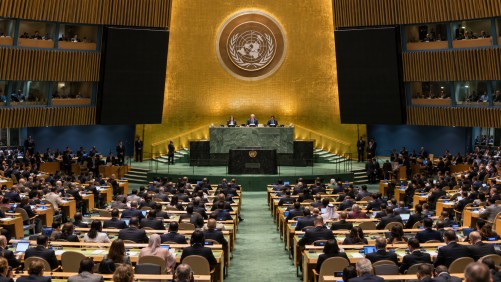
In a collective call for action at the United Nations, China, along with 27 other countries including Russia, Egypt, and Iran, has urged an end to unilateral coercive measures. These countries argue that such actions infringe upon the sovereignty of nations and undermine multilateral cooperation efforts. The appeal was made during the UN General Assembly’s Third Committee meeting, where Fu Cong, China’s permanent representative to the UN, emphasized that unilateral measures contribute to global instability and impose significant economic and humanitarian burdens on developing nations.
The joint statement highlighted the detrimental effects of sanctions, secondary restrictions, and related compliance measures, noting that they exacerbate economic and humanitarian challenges and pose risks to food, energy, and financial security. The participating countries expressed concern about the increasing use of tariffs as a tool of economic pressure, warning that such measures can disrupt global trade, supply chains, and hinder efforts towards achieving the Sustainable Development Goals.
Furthermore, the statement argued that unilateral coercive measures can impede fundamental rights, including access to health, education, development, and other basic needs. The 28 nations called on states imposing these measures to adhere to the principles enshrined in the UN Charter and international law, urging them to lift such restrictions.
The coalition also appealed to UN member states and international organizations to offer support to countries adversely affected by these unilateral actions. This call for solidarity underscores the need for a cooperative approach to resolving international disputes and promoting equitable development across nations.