
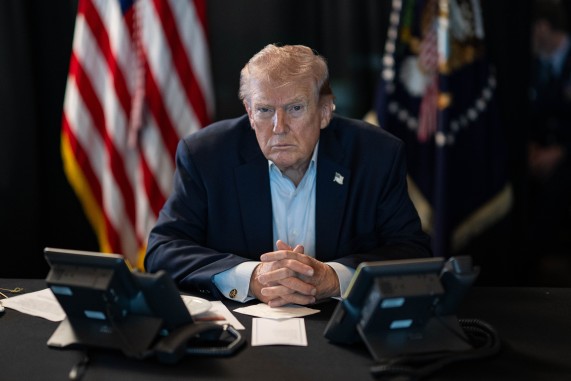
The United States, under the leadership of President Donald Trump, has issued a stern warning to nations planning to impose digital services taxes on American firms. Trump has threatened to impose a 100% tariff on all goods imported from these countries into the US. This warning comes as several European nations are considering implementing new taxation policies aimed at American tech giants. Trump’s administration has made it clear that such actions would immediately lead to trade penalties, potentially nullifying existing trade agreements between the US and those countries.
Digital services taxes are designed to ensure that substantial technology companies contribute taxes in regions where they accrue revenue. Proponents of these taxes argue that they are necessary to prevent corporations from relocating profits to lower their tax liabilities elsewhere. However, detractors claim these taxes disproportionately target American technology enterprises. Trump’s recent warning is a continuation of his administration’s opposition to international regulations and taxation that impact significant US tech businesses. In the past, Trump has similarly threatened trade measures against countries with digital tax policies.
India, meanwhile, seems likely to avoid direct repercussions from the US president’s threat. The country has already scaled back some of its digital service tax regulations and is reportedly in the process of further modifying them as part of ongoing trade negotiations with the United States.
Trump’s stance reflects his administration’s protective approach towards US technology companies on the global stage, highlighting a broader strategy against international fiscal measures deemed unfavorable to American interests. The potential for overriding trade agreements underscores the seriousness of the US response, marking a significant point of contention in international trade relations.