In a move to tighten eligibility requirements for political candidates, Taiwan’s Central Election Commission (CEC) has instituted a rule necessitating that individuals born in China must provide proof of having canceled their Chinese household registration a full decade prior to registering for public office in Taiwan. This measure is described by the CEC as an administrative requirement, grounded in existing legal interpretations, rather than stemming from any political motivations. Furthermore, these candidates are required to have maintained their household registration in Taiwan for at least 10 years after the submission of such cancellation proof.
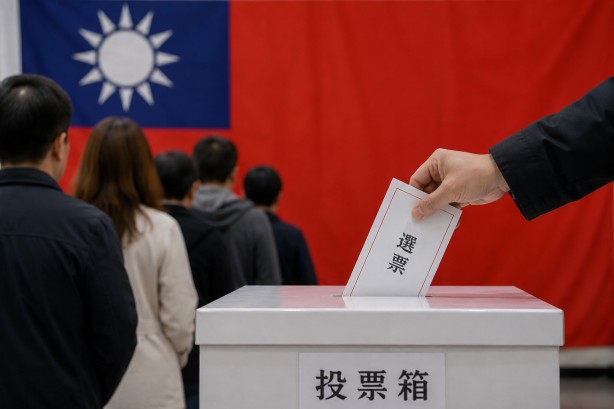
Alongside the new eligibility rule, the CEC has expressed apprehensions regarding proposed alterations to the procedures for referendum voting. The commission cautioned that these changes could introduce complications in managing elections, potentially leading to an increase in invalid ballots and postponing the vote tallying process to the next day. Additionally, the proposed system might present challenges in recruiting election workers, which is crucial for smooth election operations.
The logistical and legal hurdles posed by the prospect of incorporating multiple referendum questions on a single ballot were also highlighted by the CEC. Officials warned that such a move could complicate the voting process, making it cumbersome for voters and administrators alike. The commission’s concerns underscore the delicate balance required in maintaining the integrity and efficiency of Taiwan’s electoral systems, particularly when considering procedural changes.
These developments arrive at a time when Taiwan is navigating its complex relationship with China, and the CEC’s new rules could be seen as a measure to safeguard the independence and integrity of Taiwan’s political processes. Ensuring that candidates have a long-term commitment to Taiwan, as evidenced by the 10-year household registration requirement, reflects a broader intention to maintain the island’s democratic framework amid regional geopolitical tensions.
The interplay of administrative procedures and political considerations in these changes highlights the challenges faced by Taiwan’s electoral authorities. As the commission continues to evaluate and implement these rules, the focus remains on enhancing the transparency and accountability of the electoral process while addressing any administrative hurdles that may arise.