
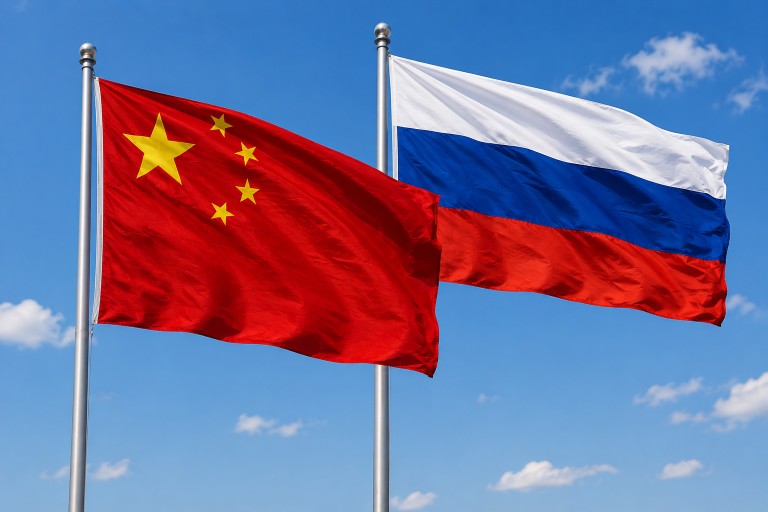
Marking a significant milestone, China and Russia have reaffirmed their dedication to strengthening their bilateral relationship and long-term strategic cooperation as they celebrate the 25th anniversary of the Treaty of Good-Neighborliness and Friendly Cooperation. This treaty, initially signed on July 16, 2001, and subsequently extended, serves as the legal framework for the comprehensive strategic partnership between the two nations. Chinese officials have emphasized their commitment to deepening mutually beneficial cooperation across various sectors, aiming to bolster stability and inspire confidence in global development.
This anniversary coincides with preparations for the upcoming 30-year celebration of their strategic partnership in 2026. Over the years, bilateral trade has shown a steady increase, with China maintaining its position as Russia’s largest trading partner for 16 consecutive years. In 2025, trade between the two countries reached an estimated $228 billion. Furthermore, the first half of 2026 witnessed a significant surge in commerce compared to the same period in the previous year.
Officials and analysts have highlighted the treaty’s role in enhancing political trust, expanding economic cooperation, and fortifying the resilience of China-Russia relations. They describe the partnership as being grounded in principles such as non-alignment, non-confrontation, and mutual benefit, all while supporting a more balanced international order. These principles have contributed to the partnership’s strength and stability over the years.
The enduring nature of the Treaty of Good-Neighborliness and Friendly Cooperation underscores the importance both countries place on their strategic alliance. By continually fostering economic ties and reinforcing mutual trust, China and Russia aim to navigate the complexities of global politics together, presenting a united front in pursuit of shared goals. This long-standing collaboration not only benefits their respective nations but also contributes to broader regional and international stability.