
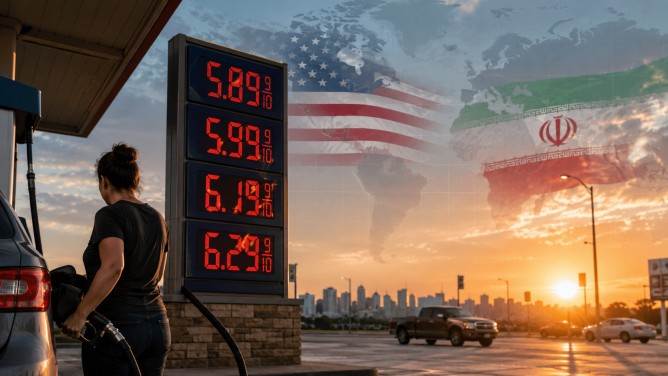
Gasoline prices in the United States have surged to the highest level ever recorded for August, amid stalled diplomatic negotiations between the U.S. and Iran and ongoing tensions surrounding the Strait of Hormuz, a crucial chokepoint for global oil shipments. The national average for a gallon of gasoline has climbed to $4.06, marking an increase of about 5 cents from the previous week and approximately $1 more than the same time last year. In states like California and Hawaii, drivers are facing even steeper prices, with averages soaring to around $5.50 per gallon.
These price hikes are closely linked to the sustained elevation of oil prices since the commencement of the US-Israel conflict with Iran. The situation was particularly exacerbated by disruptions in the Strait of Hormuz, a vital artery for the transport of oil worldwide. Although Brent crude oil prices briefly peaked at $112 per barrel before declining, they remain considerably higher than they were a year ago. Despite a short-lived dip in gasoline prices following temporary agreements that eased U.S.-Iran tensions, costs have begun to rise again as diplomatic efforts have hit a standstill and fears of a prolonged conflict intensify.
The recent spike in gasoline prices follows the failure of the U.S. and Iran to reach a consensus on Iran’s nuclear program within a designated 60-day window for diplomacy. Compounding the situation are new threats issued by former President Trump against Oman, further heightening concerns about potential escalation in the region. The strain of higher fuel costs is being acutely felt by American households, which are already grappling with increased living expenses across the board. Over the last six months, consumers have reportedly spent tens of billions of dollars more on gasoline than they would have if not for the ongoing conflict.
As fuel prices continue their upward trajectory, there is growing apprehension about the potential for renewed inflationary pressures should energy costs remain elevated over a prolonged period. The economic impact of persistent high gasoline prices could extend beyond individual households, affecting broader economic stability and consumer spending. The situation underscores the intricate link between geopolitical tensions and domestic economic conditions, with the specter of continued unrest in the Middle East casting a long shadow over energy markets and, by extension, the everyday costs faced by Americans.