
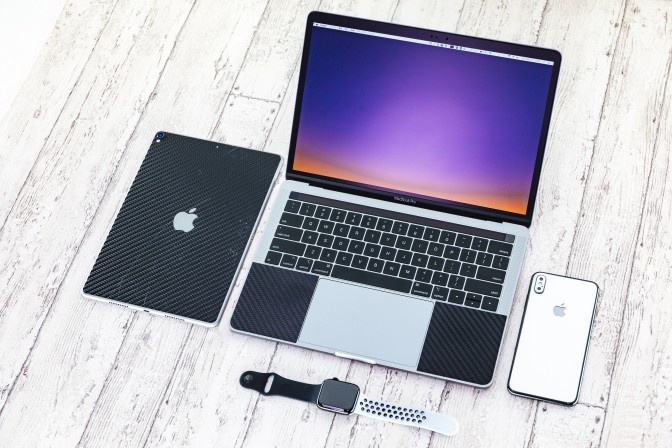
Amid a surge in demand for artificial intelligence infrastructure, Apple has announced price hikes for several of its iPad and MacBook models. The company attributes this decision to a significant increase in memory and storage chip costs. Although Apple has managed to absorb these elevated component costs for some time, the financial strain has reached a point where the tech giant must now share the burden with its customers.
The price adjustments impact a range of Apple products, including various MacBook configurations, iPads, HomePod speakers, and Apple TV devices. Notably, MacBooks with higher storage capacities have seen more substantial price increases due to the escalating memory costs. This comes as chip manufacturers are increasingly focusing on AI data centers and sophisticated computing systems, which has led to a scarcity of memory components available for consumer electronics, thereby driving up production costs across the tech sector.
Despite the challenges, Apple has managed to mitigate some of the impact through its robust supplier network, a competitive advantage that has softened the blow compared to other companies. Nonetheless, industry analysts predict that the pressure on device pricing is unlikely to subside in the near future. There is also speculation that upcoming iPhone models may face similar price adjustments as the industry continues to grapple with rising component costs.
The ripple effects of elevated memory chip prices are anticipated to extend throughout the broader technology market. As a result, manufacturers of smartphones and personal computers might experience heightened production expenses, which could coincide with a downturn in consumer demand. This scenario poses a potential challenge for the tech industry as it navigates these economic pressures while striving to maintain sales and market share.