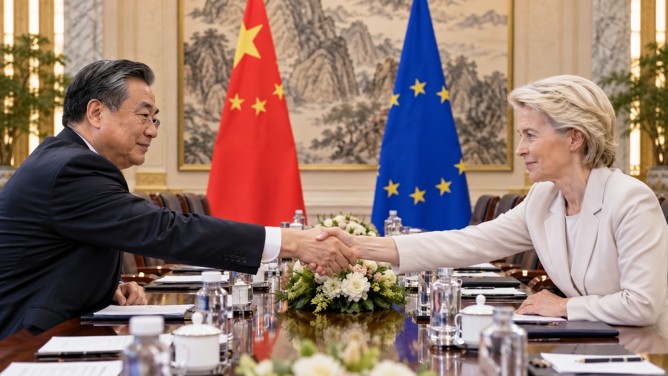
In a move to bolster economic ties and address ongoing trade disputes, China and the European Union have agreed to enhance their trade cooperation following high-level consultations in Beijing. The discussions, co-chaired by Chinese Commerce Minister Wang Wentao and European Commissioner for Trade and Economic Security Maroš Šefčovič, aimed at resolving economic differences constructively and reinforcing stable economic relations between the two entities.
The meeting marked the second session of the China-EU trade and investment consultation mechanism, where a range of topics were covered, including trade imbalances, export controls, intellectual property rights, and the reform of the World Trade Organization (WTO). A significant focus was placed on electric vehicles, with discussions surrounding price undertakings related to the EU’s ongoing anti-subsidy case against Chinese electric vehicles.
Both sides expressed a commitment to improve market access and strengthen trade monitoring. They explored potential tariff reductions on certain goods, adhering to WTO rules, and addressed regulatory concerns impacting sectors such as pharmaceuticals, medical devices, cosmetics, and agricultural products. Additionally, there was a mutual interest in expanding cooperation in areas like artificial intelligence, renewable energy, digital services, and green technology.
China and the EU also emphasized the importance of creating fair, transparent, and predictable business environments to facilitate mutual investment and ensure stable global supply chains. This commitment underscores the desire from both parties to maintain a cooperative and constructive economic relationship.
Concluding the consultations, China and the EU pledged to implement the agreed outcomes and continue negotiations. They scheduled a ministerial-level video meeting for January 2027, followed by the third trade and investment consultation meeting in March 2027. This series of engagements highlights an ongoing effort to resolve disputes and enhance economic collaboration between the two major global economic powers.