China has rapidly ascended to the forefront of the electric vehicle (EV) industry, emerging as the largest market globally and significantly impacting the automotive sector. This swift rise, propelled by government incentives, robust local investments, and eager consumer demand, has given birth to numerous companies eager to capitalize on the electric revolution. As a result, the country has not only produced some of its most notable automakers but has also bolstered its standing in battery technology and eco-friendly transportation.
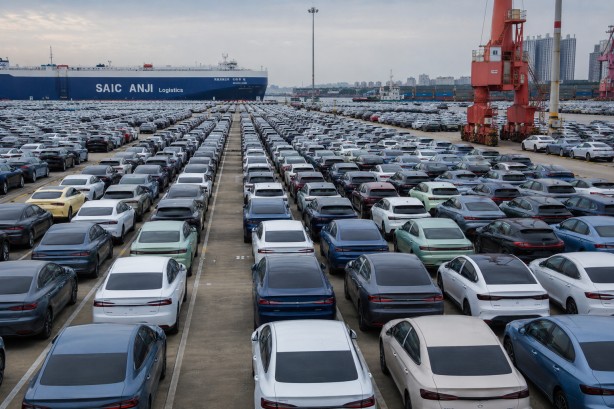
However, the aggressive pace of growth has sparked concerns regarding overproduction and escalating competition within the industry. Factories have sprung up with the capacity to manufacture more vehicles than the market can currently absorb, leading to intense pricing battles and financial strains for many automotive companies.
The competitive landscape has become increasingly cutthroat as manufacturers vie for market share by slashing prices to appeal to consumers. While this environment has spurred innovation and expansion, it has also placed smaller firms at a disadvantage, struggling to keep pace with the larger players who continue to pour resources into technology, production capabilities, and overseas market ventures.
Chinese authorities have recently expressed their apprehension about the potential economic risks posed by overcapacity, cautioning that unchecked expansion could pose significant challenges. Industry experts emphasize the importance of achieving a balance between fostering innovation and maintaining sustainable growth in the long term.
Despite these challenges, China’s leadership in the electric vehicle sector remains unchallenged. Its manufacturers are advancing into international markets, setting the stage for a transformation in global transportation trends, and solidifying China’s role as a pivotal player in shaping the future of mobility.