
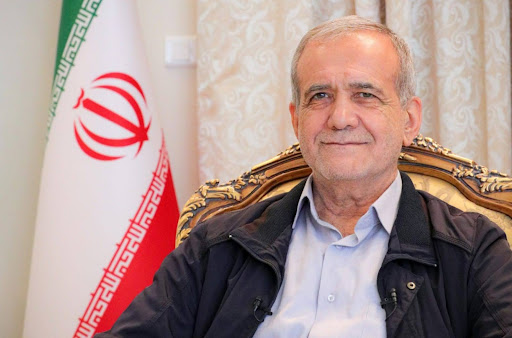
Iranian President Masoud Pezeshkian has made a firm argument: Iran is not responsible for the instability in the Gulf — the US military presence is. In a post on X, Pezeshkian urged Gulf governments to expel American and Israeli war operations from their territory, warning that hosting such forces makes peace and development impossible. The statement came as the conflict approached its five-week mark.
Gulf nations have faced Iranian strikes as a direct consequence of US operations launched from bases inside their countries. Saudi Arabia, the UAE, Kuwait, Oman, and Qatar have all been hit, with Tehran framing each strike as a proportional response to aggression. The pattern has destabilized a region that had been working hard to consolidate economic and diplomatic gains.
Pezeshkian’s X post maintained Iran’s long-held position that it does not initiate attacks but will respond powerfully to any targeting of its infrastructure or economic foundations. He then spoke to Gulf leaders directly, arguing that their development goals and security interests are fundamentally incompatible with hosting foreign military operations against Iran. The message was carefully worded to appeal to regional pragmatism.
Pakistan has been notably active as a peace broker during the conflict. Prime Minister Sharif confirmed that Pezeshkian emphasized trust as the key building block for peace negotiations in their bilateral conversation. Iran’s public praise of Pakistan’s efforts has elevated Islamabad’s credibility and influence in regional diplomatic circles.
Pakistan is currently hosting foreign ministers from Saudi Arabia, Egypt, and Turkey for substantive de-escalation talks. Pakistan’s foreign minister Ishaq Dar is coordinating the effort, with all parties engaging in what officials describe as frank and meaningful discussions. The summit is considered one of the more promising diplomatic developments of the conflict so far.