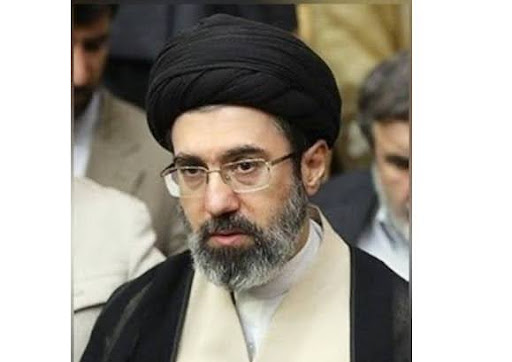
The appointment of Mojtaba Khamenei as Iran’s new supreme leader is the most significant leadership development in the Middle East in years, and the region is still processing its implications. The Assembly of Experts confirmed the 56-year-old son of the late Ayatollah Ali Khamenei on Sunday in a decisive vote, just as Iranian forces were striking five Gulf states simultaneously and Israel was preparing new strikes on Iranian infrastructure. The confluence of events makes the appointment’s significance difficult to overstate.
Mojtaba Khamenei was born in Mashhad in 1969 and educated in Qom. He spent his career as an informal power broker within the regime rather than a public official. His ties to the IRGC are deep and longstanding, and his ideological alignment with the Islamic Republic’s hardline faction is beyond question. He reportedly played a role in the 2009 crackdown on reformist protesters, though he has never publicly confirmed this. He has no formal governing experience.
The institutional endorsements were rapid, uniform, and comprehensive. The IRGC, armed forces, parliament, and security officials all pledged loyalty. Ali Larijani praised his capabilities. Yemen’s Houthis congratulated him. State media broadcast a managed picture of national unity. Missiles inscribed with Mojtaba’s name appeared in military broadcasts — symbolically binding Iran’s military apparatus to its new supreme leader from day one.
The conflict continued without pause. Israel struck Iranian regime infrastructure on Monday. Iran struck five Gulf states — Saudi Arabia, Kuwait, Qatar, Bahrain, and the UAE — killing two people in Saudi Arabia and damaging Bahrain’s desalination plant. The IRGC threatened oil above $200 per barrel. The United States pledged not to target Iranian energy sites. Trump warned about Mojtaba’s durability. None of the conflict’s dynamics softened in response to the leadership change.
What the region needs to know is this: Iran has a new supreme leader who is ideologically committed to the confrontational strategy that has defined the Islamic Republic’s posture for decades. He leads from a position of institutional strength but personal inexperience. The war will continue, the pressure will intensify, and the decisions made in Tehran in the coming weeks will determine whether this conflict finds an exit or escalates toward wider catastrophe. The region is watching, and so is the world.