
A 10-year federal moratorium on state regulation of artificial intelligence, a contentious provision in President Trump’s tax and spending bill, has been overwhelmingly voted down by the U.S. Senate. This 99-1 decision on Tuesday gives states the green light to develop their own AI regulations, marking a notable shift in national AI policy.
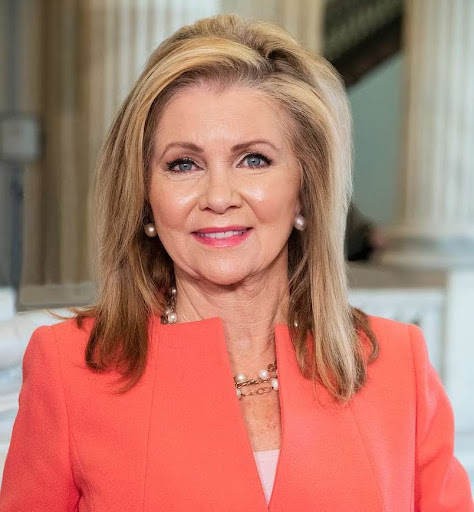
Republican Senator Marsha Blackburn led the charge to remove the ban, successfully introducing an amendment during a marathon “vote-a-rama” session. This outcome reflects a growing recognition within the Senate of the need for flexibility at the state level to address the rapidly evolving landscape of AI, especially concerning consumer protection and ethical considerations.
The original Senate of the bill would have only indirectly impacted state AI regulation, by making states with such rules ineligible for a new $500 million fund for AI infrastructure. The complete removal of the ban, however, empowers states without any federal financial or regulatory impediments, encouraging diverse approaches to AI governance.
This move contrasts with the preferences of major AI companies like Google and OpenAI, who have publicly advocated for federal preemption to foster innovation by preventing a patchwork of state laws. Senator Blackburn, however, emphasized the immediate imperative for state protections, stating, “Until Congress passes federally preemptive legislation like the Kids Online Safety Act and an online privacy framework, we can’t block states from making laws that protect their citizens.”