
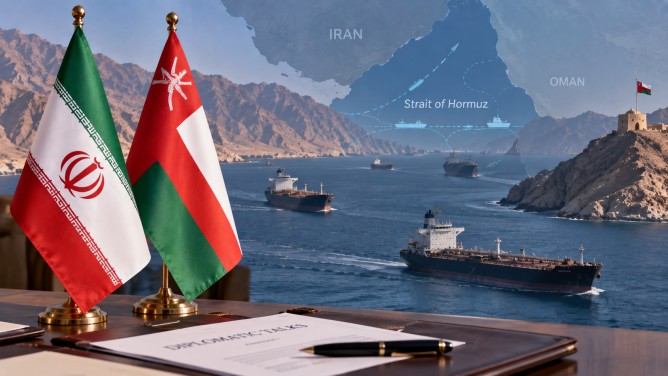
A pivotal meeting planned in Muscat, involving Iran, Oman, and other Gulf nations to discuss new shipping protocols through the Strait of Hormuz, has been delayed without setting a new date. The agenda for this gathering was to address regional security matters and explore an Iran-Oman initiative for managing commercial shipping in this strategically vital maritime corridor. According to Oman’s Foreign Minister Badr Albusaidi, the postponement aims to build consensus among the involved parties. Iran confirmed the decision was made collaboratively with Oman, following requests from various regional stakeholders.
The postponement coincides with an incident involving an Iranian commercial vessel reportedly being struck near Qeshm Island, resulting in one fatality and injuries to four crew members. Iranian state media reported that the vessel was hit by a projectile while navigating the Strait of Hormuz, which led to a fire and necessitated the crew’s evacuation. Prior discussions between Iran and Oman had considered alternative shipping routes through the Strait, proposing that vessels entering the Persian Gulf travel via Iranian waters, while outbound traffic utilize both Iranian and Omani waters. However, Iran has emphasized that reopening the Strait would be contingent on meeting its specified conditions, including potentially imposing fees on vessels using the proposed routes.
Commercial activity through the Strait of Hormuz has significantly decreased, raising concerns for global energy markets as it remains one of the world’s most crucial oil shipping routes. The indefinite postponement of the meeting occurs amidst heightened diplomatic tensions within the Gulf region. Reports suggest that Saudi Arabia has advocated for modifications to the Iran-Oman proposal, while Bahrain has opted out of participating in the discussions.
These developments have contributed to a surge in oil prices, compounded by Saudi Arabia’s ongoing closure of its 1,200-km East-West oil pipeline following drone attacks. This pipeline shutdown hinders an alternative route for delivering crude oil to the Red Sea. The prolonged disruption in both the pipeline and the maritime traffic through the Strait of Hormuz poses a significant threat to the stability of global oil supplies. As tensions escalate, Brent crude prices have already climbed above $100 per barrel, reflecting the market’s anxiety over the unfolding situation in the region.