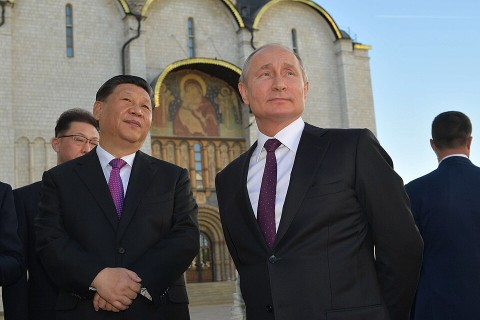
In a significant diplomatic exchange, Xi Jinping and Vladimir Putin conveyed “congratulatory letters” to each other ahead of the Russian president’s upcoming trip to Beijing. This visit comes shortly after Donald Trump’s departure from China, where he engaged in a high-stakes summit. Xi highlighted the strengthening bilateral cooperation between Russia and China, marking three decades of their strategic partnership. This deepening relationship has raised eyebrows in the West, particularly given China’s support for Russia following its 2022 invasion of Ukraine, which has been seen as a factor prolonging the conflict.
Putin is set to arrive in China on Tuesday evening, with a scheduled meeting with Xi on Wednesday morning, according to Kremlin aide Yuri Ushakov. The leaders are expected to discuss an array of bilateral concerns, including the Power of Siberia 2 gas pipeline proposal. Observers have noted the unusual timing of these visits, with China hosting the leaders of both the US and Russia within a span of just one week, an occurrence seldom seen in the post-Cold War era.
The Sino-Russian alliance has been under scrutiny, particularly as their bilateral trade has surged to unprecedented levels since 2022. China has been a major buyer of Russian exports, especially crude oil, which has provided Moscow with substantial revenue during the ongoing war in Ukraine. Since the conflict began, China has purchased over $367 billion worth of Russian fossil fuels, according to data from the Centre for Research on Energy and Clean Air. This has bolstered China’s energy security, especially crucial after disruptions in the Middle East halted oil shipments through the Strait of Hormuz.
During Trump’s recent visit to Beijing, discussions predominantly centered on trade, Taiwan, and the Middle Eastern conflict, with little emphasis on the Ukraine war or the Sino-Russian ties. Trump reported alignment with China on the importance of reopening the Strait of Hormuz. Meanwhile, Xi emphasized caution regarding Taiwan, warning of potential conflict should the issue be mishandled. Trump left China undecided on a multibillion-dollar arms deal with Taiwan, a decision closely watched by Beijing, which opposes such sales to the self-governing island.
Joseph Webster, a senior fellow at the Atlantic Council, speculated that Taiwan could be a critical subtext in the Xi-Putin discussions. He suggested that Beijing might pursue additional fossil fuel agreements with Moscow to secure energy supplies in case of future conflicts, such as a Taiwan-related contingency. The proposed expansion of Russian oil pipeline capacity to China could significantly enhance Beijing’s energy security in such scenarios. Meanwhile, Russia has been urging China to advance the Power of Siberia 2 gas pipeline project, which would significantly increase the gas capacity between the two nations.