
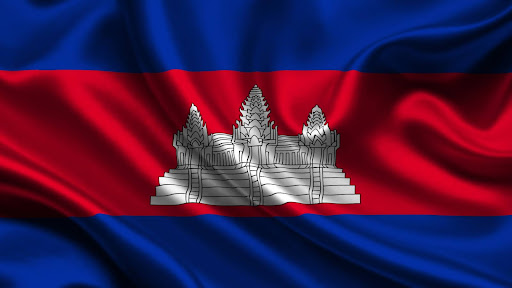
The border flashpoint between Thailand and Cambodia is set to cool as both nations have agreed to revert their military positions to previous arrangements. This development follows a deadly clash on May 28, which saw a Cambodian soldier killed and prompted both sides to reinforce their presence in the disputed area.
Cambodia’s Defence Ministry confirmed the agreement, stating a shared objective of easing the heightened tensions that emerged from the incident. This aligns with prior statements from Thai defense officials, who had expressed confidence in reaching an understanding to restore the border situation to its 2024 configuration.
The historical complexities of the shared border, mapped by France in 1907, are at the core of the ongoing sovereignty disputes. These undemarcated areas, stretching along the 817 km (508 miles) frontier, have been the site of intermittent conflicts for over a century, underscoring the deep-seated nature of the problem.
While both governments are preparing for bilateral talks, including a Joint Boundary Committee meeting on June 14, Cambodia has once again formally requested the International Court of Justice to intervene. This contrasts with Thailand’s steadfast preference for resolving all boundary-related matters through direct, bilateral negotiations.