
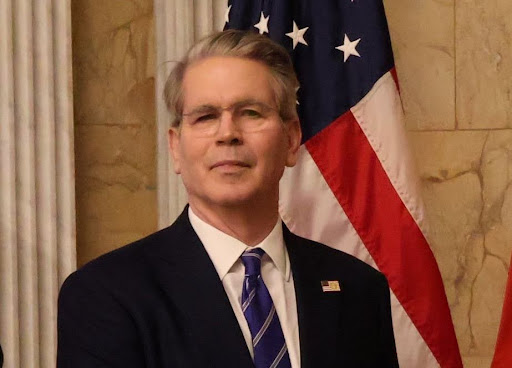
The perceived pivot from Donald Trump on H-1B visas has been explained in detail by Scott Bessent, and it’s not the “softening” many assumed. Bessent clarified the policy as a “knowledge transfer” system, where skilled foreigners are brought in on a temporary basis for the express purpose of training American workers before returning to their home countries.
Trump’s initial comments had raised eyebrows. He had argued that the US needs to “bring talent into the country” and that H-1B restrictions might not be a top priority. He added that Americans lack “certain talents” and “have to learn,” which seemed to open the door for more skilled immigration.
Bessent’s follow-up, however, shut that door, or at least re-defined it as a revolving one. He stated the president’s vision is not about replacing Americans, but about training them. The “overseas workers who have the skills” would come in specifically to act as instructors.
This “train-and-return” model would be time-limited. Bessent floated a “three, five, seven year” timeframe, during which the knowledge transfer would occur. After this period, the foreign workers “can go home,” and the newly upskilled American workforce would “fully take over.”
Bessent defended this as a “home run,” especially for industries the US has ceded, like shipbuilding and semiconductors. He argued that Americans “can’t have that job, not yet,” but this plan provides a clear pathway to ensure they can in the future.