
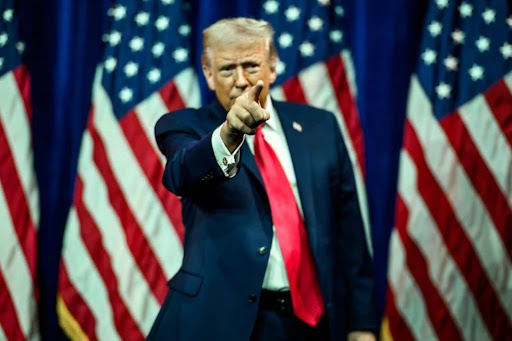
President Donald Trump recently intensified his rhetoric against Tehran, claiming that Iranian officials are desperate to end the ongoing war despite their defiant public stance. In a series of social media updates, Trump described the Iranian delegation as “very different and strange,” and asserted that they are “begging” for a deal. He warned that the window for a diplomatic resolution is closing, stating that once a certain threshold is passed, there will be “no turning back.”
The backdrop for these comments is a month-long military campaign that has reshaped the Middle East landscape. The conflict escalated sharply in early 2026 following US-Israeli operations against the Iranian regime, leading to widespread destruction of military assets. Despite the intensity of the fighting, both sides have engaged in indirect talks, with the United States presenting a comprehensive 15-point plan aimed at neutralizing Iran’s regional influence.
Key pillars of the American proposal include the dismantling of Iran’s ballistic missile capabilities and the restoration of free navigation through the Strait of Hormuz. Conversely, Iranian state television has broadcast a rival plan, demanding an end to the targeting of its leadership and financial compensation for the invasion. This disconnect between the two proposals has stalled progress, even as mediators from Pakistan try to facilitate a face-to-face meeting.
The regional impact has been severe, with casualties rising daily across Iran, Lebanon, and Israel. Displacement has reached record levels, with millions of civilians fleeing active combat zones in what has become the largest military buildup in the region in years. For the United States, the loss of 13 service members and the constant threat to regional bases have fueled domestic debate over the long-term objectives of the war.
Looking forward, the White House appears prepared to escalate further if its terms are not met by early April. President Trump’s assertion that Iran has “zero chance of a comeback” suggests a belief that the Iranian military is on the verge of total collapse. Whether this pressure will force a signed agreement or lead to a final, more destructive phase of the war remains the central question for international observers.