
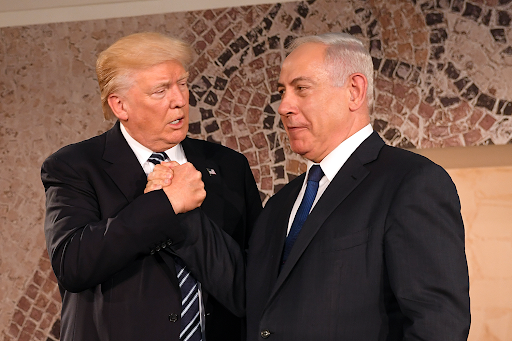
The Gulf state of Qatar walks a diplomatic tightrope as a crucial and controversial mediator in the Gaza conflict, a reality that forms an important backdrop to the U.S. peace initiative being discussed by President Trump and Prime Minister Netanyahu. Protecting Qatar’s role as an intermediary is a key, if unspoken, U.S. objective.
Qatar’s influence stems from its unique position of hosting Hamas’s political leadership while also being a major U.S. military partner and a key player in global energy markets. This allows it to serve as a vital communication channel between the West, Israel, and the militant group, which is essential for any negotiations on hostages or a ceasefire.
This role, however, is deeply controversial in Israel. Many, including members of Prime Minister Netanyahu’s government, view Qatar as a supporter of Hamas and are angered by its hosting of the group’s leaders. This has led to tensions, such as when Israel reportedly carried out a strike against Hamas members in the country.
President Trump’s recent public opposition to that strike was a clear signal that the U.S. values and wants to protect Qatar’s mediating role. The Trump administration understands that without intermediaries like Qatar, the practicalities of implementing any peace deal—from communicating terms to arranging hostage transfers—would be nearly impossible.
As Trump and Netanyahu meet, the U.S. will be implicitly asking for Israeli restraint and a pragmatic acceptance of Qatar’s necessary role. It is another example of the complex regional dynamics where Trump must balance Israel’s security demands against the diplomatic necessities of making peace.