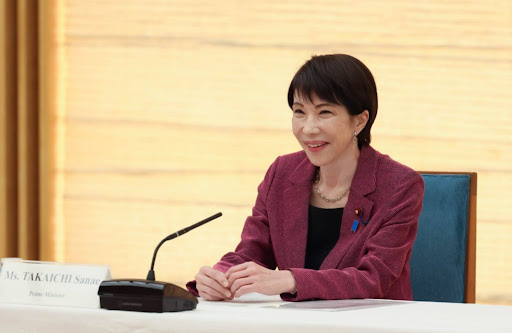
Japan’s domestic refiners are preparing to absorb the biggest-ever release from national oil reserves, as Prime Minister Sanae Takaichi authorizes the deployment of approximately 80 million barrels starting this Thursday. The historic release has been triggered by disruptions to the Strait of Hormuz caused by the US-Israel conflict with Iran, which has raised fears of a significant and potentially prolonged reduction in Japanese crude oil imports. Japan imports more than 90% of its crude from the Middle East, making the government’s response both urgent and necessary.
The 80 million barrel deployment represents 45 days of Japan’s total oil consumption and surpasses the previous emergency drawdown — conducted after the 2011 Fukushima disaster — by a factor of 1.8. Japan’s total reserves of approximately 470 million barrels at year-end provide a comfortable buffer, and officials say the release has been sized to maintain supply stability without unnecessarily drawing down the country’s long-term stockpile. The earlier approval of a 15-day private-sector reserve release adds to the total scope of the government’s energy intervention.
Retail fuel prices had climbed to a record high of ¥190.8 per litre before the government moved to intervene. New subsidies will keep gasoline prices at approximately ¥170 per litre, with weekly reviews ensuring the program remains in line with market realities. The government’s action on prices is part of a broader effort to contain the economic fallout from the crisis before it spreads into broader inflationary pressures.
Public concern about supply disruptions has extended to non-fuel items, with social media spreading fears about toilet paper and other household goods becoming scarce. The trade and industry ministry and the Japan Household Paper Industry Association both moved to reassure consumers that these products are not at risk, given that nearly all are made domestically from recycled materials. Officials appealed for calm purchasing behavior, citing memories of unnecessary shortages created by panic buying in previous crises.
Takaichi’s diplomatic conduct throughout the crisis has been principled and consistent, with Japan declining military involvement while offering sustained diplomatic engagement. Her summit with Trump produced a firm but respectful Japanese refusal to deploy naval forces to the Hormuz region, backed by an unambiguous citation of constitutional constraints. Japan’s energy resilience and diplomatic steadiness are being tested simultaneously, and the government appears determined to pass both tests.