
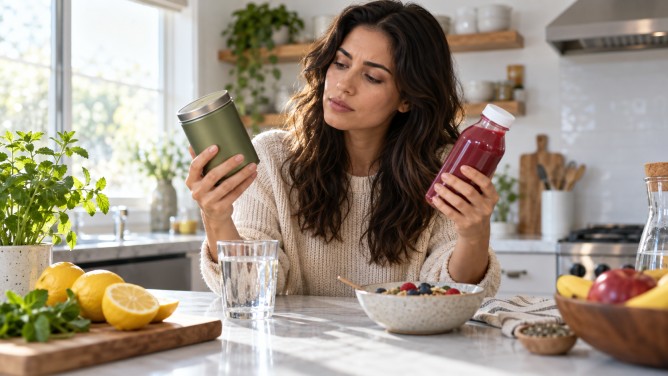
In an era where wellness trends dominate social media, practices such as oil pulling, detox teas, and DIY cleanses capture the attention of many seeking improved health. Although these routines promise benefits like better digestion and glowing skin, they also come with potential risks that consumers should carefully consider.
Oil pulling, for example, involves swishing oil in the mouth to improve oral health, but there is limited scientific backing for its efficacy in whitening teeth or preventing dental issues. Additionally, prolonged swishing can strain jaw muscles, especially for those with joint problems. Experts advise avoiding forceful movements and not substituting this practice for regular dental care.
Detox teas, marketed for weight loss and digestion, often contain laxatives like senna, which can lead to dehydration and electrolyte imbalances if used excessively. Instead of relying on these products, maintaining a balanced diet rich in fiber and staying hydrated is recommended for digestive health.
Panchakarma, a traditional Ayurvedic cleanse, is sometimes attempted at home based on online advice, but it can pose significant health risks without professional supervision. These risks include dehydration and improper use of herbal products. Consulting a healthcare professional before starting such regimens is crucial, as the body’s liver and kidneys naturally perform detoxification functions.
Additionally, some wellness trends advocate excessive water intake in the morning or aggressive dry brushing of the skin, which can lead to conditions like hyponatremia or skin irritation, respectively. Moderation and listening to the body’s signals are essential to avoid adverse effects.
Herbal supplements like turmeric and ashwagandha are popular for their purported health benefits but can interact with medications or cause side effects. Consulting healthcare professionals before use and adhering to recommended doses is advised.
Finally, adding large amounts of ghee to cold drinks is sometimes suggested for weight loss, although evidence for its effectiveness is lacking. A balanced diet and sustainable lifestyle changes are more reliable for managing weight. Overall, individuals should critically evaluate wellness trends, prioritize evidence-based practices, and seek professional guidance where necessary.