
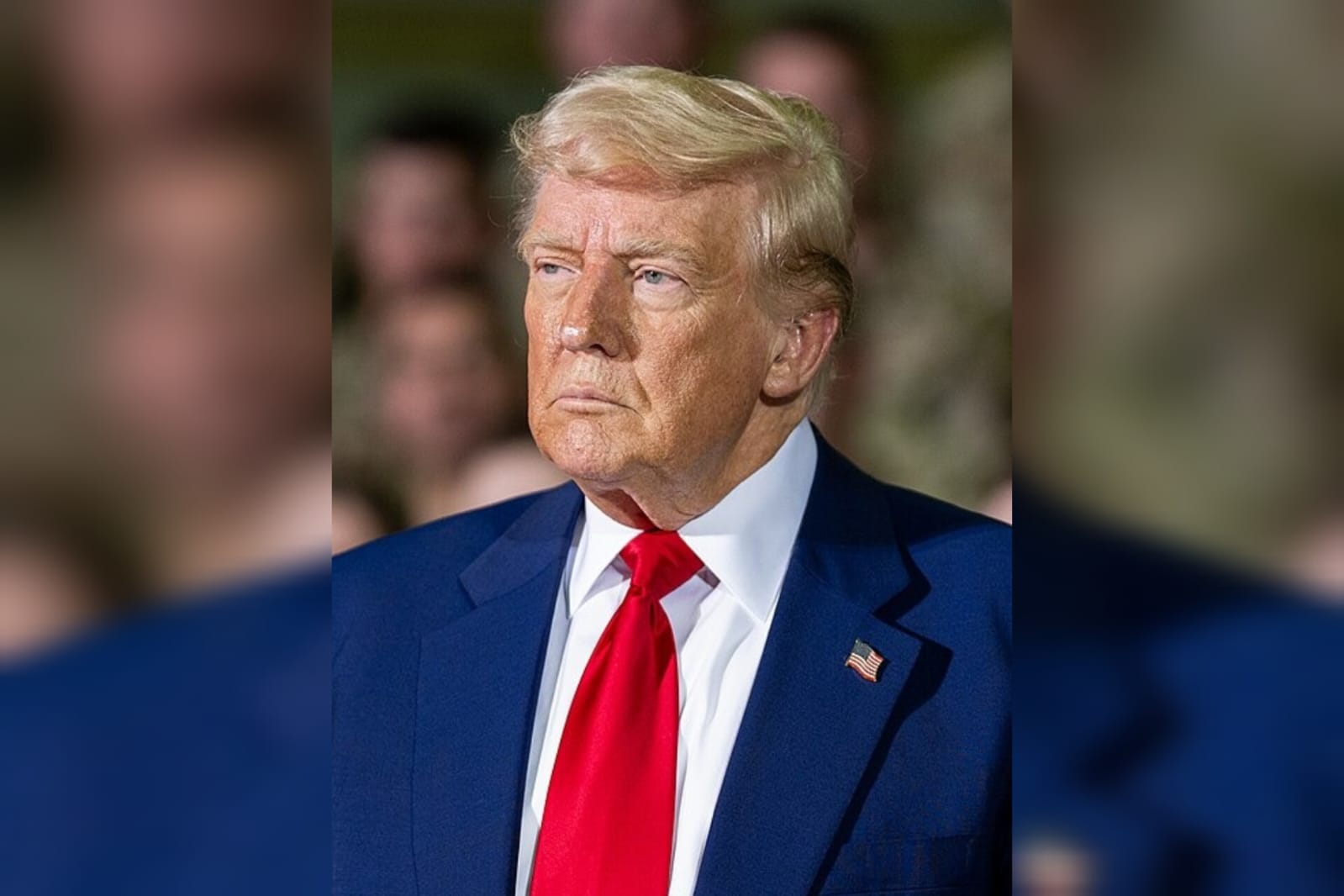
In a significant diplomatic development, U.S. President Donald Trump has entered into a 14-point agreement with Iran, a move he heralds as a crucial step towards averting a potential global economic crisis. This agreement, signed by Iranian President Masoud Pezeshkian, aims to reopen the Strait of Hormuz, a vital artery for global oil shipments. The accord sets the stage for a 60-day negotiation period intended to establish a more comprehensive and permanent resolution to ongoing tensions.
Central to the agreement is Iran’s commitment to reopen the Strait of Hormuz and enter discussions regarding its nuclear program. In exchange, the United States will ease specific sanctions, facilitate the export of Iranian oil, and unfreeze billions of dollars in Iranian assets. Additionally, the U.S. will support broader economic initiatives to aid in the reconstruction of Iran’s economy. The deal also involves negotiations to decrease Iran’s stockpile of highly enriched uranium under international oversight.
President Trump has justified the agreement as a necessary diplomatic step to prevent a broader conflict that could have destabilized global economies. By reopening the Strait of Hormuz, he believes the agreement will help stabilize energy markets and mitigate risks to international shipping. While the deal opens the door for Gulf nations to invest in rebuilding Iran, Trump emphasized that the United States would not provide financial assistance for reconstruction efforts.
The agreement has evoked a mixture of responses. Proponents argue that it reduces regional tensions, bolsters global energy security, and paves the way for long-term discussions on Iran’s nuclear activities. On the other hand, detractors contend that the accord offers Iran substantial economic relief without compelling it to make more robust commitments regarding its ballistic missile program or regional influence. This has led to concerns that Iran could derive significant financial and strategic benefits from the deal.
Moreover, the agreement includes provisions aimed at lessening regional hostilities. Iran has vowed to refrain from pursuing nuclear weapons and to moderate the actions of its regional allies. Further negotiations are anticipated to address unresolved issues, such as missile development and broader Middle East security concerns. While both parties regard the agreement as a significant milestone, its ultimate success hinges on the forthcoming negotiation outcomes.