
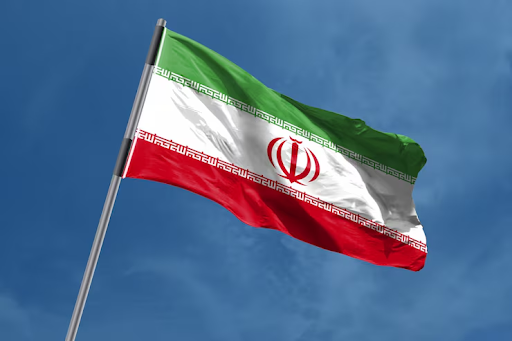
When the United States launched its latest conflict with Iran, the Trump administration projected confidence that a decisive military campaign would quickly achieve its objectives. Instead, the war has become a political liability at home, a diplomatic quagmire abroad, and a driver of one of the worst global energy crises in decades. With Trump’s approval rating at a record low of 36% and nearly 60% of Americans saying the war has gone too far, the conflict has evolved into a defining challenge of the presidency.
The immediate trigger for public discontent is fuel prices. Iran’s blockade of the Strait of Hormuz, through which approximately 20% of global oil flows, has sent energy costs surging around the world. For ordinary Americans, this has translated into significantly higher costs at the petrol pump and in home heating bills. The economic pain has been direct, visible, and politically toxic in ways that abstract war objectives rarely are.
On Wednesday, Iran rejected the US ceasefire proposal and submitted its own five-point counter-plan, including demands for war reparations and continued Iranian control of the Strait of Hormuz. These conditions are unlikely to be accepted by Washington, meaning the conflict could continue for weeks or months longer. The White House maintained its four-to-six-week timeline for ending the war, though the gap between the two sides’ positions cast serious doubt on its feasibility.
Trump responded to his declining numbers by projecting confidence and insisting Iran was close to a deal. He pointed to his envoys’ ongoing contacts with Iranian counterparts, though Iranian officials publicly denied any negotiations were taking place. The administration also announced that Trump’s rescheduled trip to Beijing would take place on May 14, creating a de facto deadline that heightened pressure on both sides to move toward a settlement.
The military campaign continued to achieve significant tactical success, with US forces reporting the destruction of most of Iran’s navy and much of its missile production infrastructure. Yet military success had not translated into political resolution, and the spectre of a possible ground operation against Kharg Island threatened to escalate the conflict far beyond its current scope. The Iran war was shaping up to be one of the most consequential tests of the Trump presidency, and its outcome remained deeply uncertain.