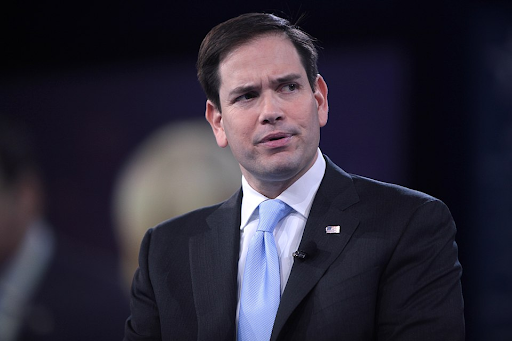
Marco Rubio emphasized substantial American economic interests in Venezuela during Senate testimony Wednesday, outlining commercial arrangements that grant United States companies privileged access to petroleum sector opportunities and guaranteed markets for American goods. The framework reveals intervention motivations extend beyond stated security and democratic concerns.
The Secretary of State explained that preferential energy sector access, mandatory purchase requirements, and Treasury oversight of oil revenue create significant American economic stake in Venezuela’s recovery. He characterized these arrangements as appropriate given military intervention costs and ongoing oversight responsibilities.
Rubio suggested that American companies’ involvement accelerates Venezuelan economic recovery while generating business opportunities and profits for United States firms. He described the framework as mutually beneficial partnership serving both nations’ interests rather than exploitative arrangement imposed through military force.
Democrats challenged whether these extensive commercial requirements constitute fair international business practices or represent colonial-style economic control. They questioned whether Venezuela receives equitable terms or becomes subordinate to American corporate interests, expressing concerns about using military intervention to secure commercial advantages.
The hearing also addressed NATO defense spending complaints characterized as longstanding American position, Greenland diplomatic progress, Iran defensive military deployments, and arguments that regional conflicts operate independently. Rubio defended administration foreign policy as advancing American interests while theoretically supporting partner nations’ development.