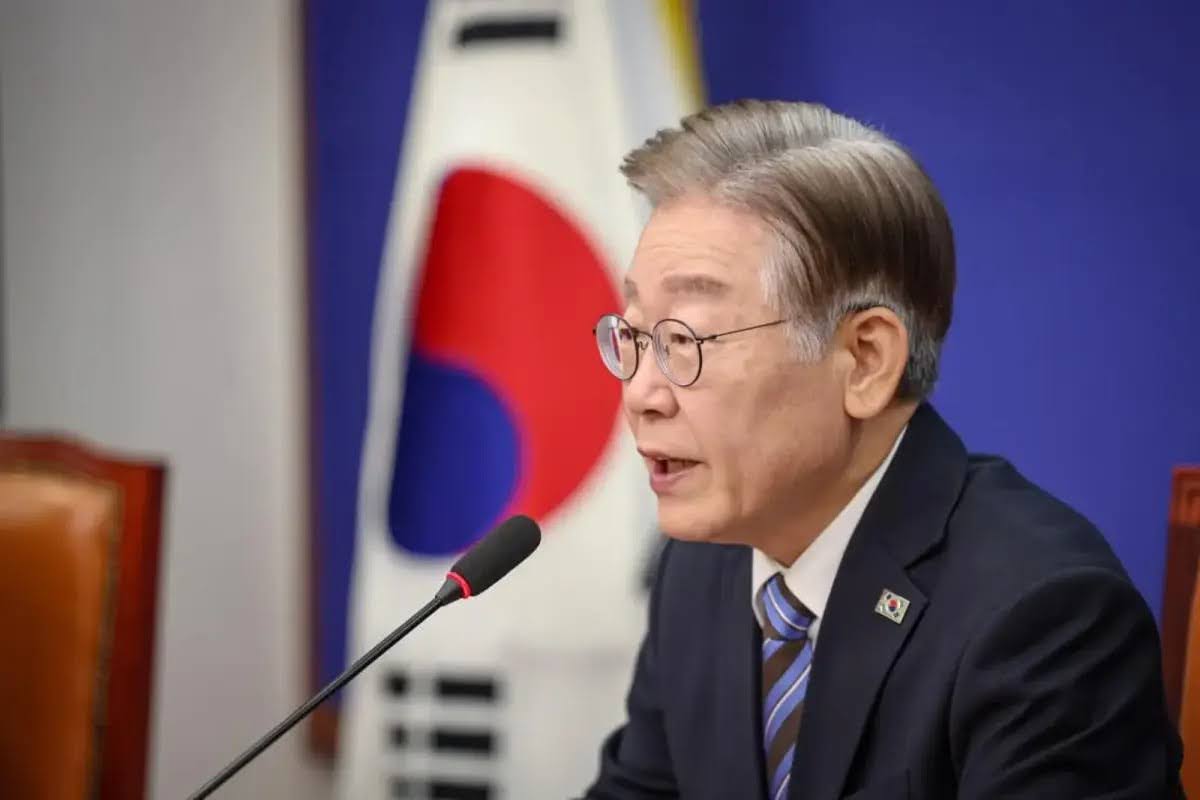
South Korea’s new President, Lee Jae-myung, has articulated a proactive and nuanced foreign policy agenda for his single, five-year term, focusing on re-engaging North Korea and navigating global shifts. In his inaugural address, Lee emphasized a dual approach to Pyongyang: “strong deterrence” based on the South Korea-U.S. military alliance, coupled with a commitment to “open a communication channel with North Korea and establish peace on the Korean Peninsula through talks and cooperation.” This signals a desire for both security and diplomatic breakthroughs.
Lee also highlighted the importance of pragmatic diplomacy with neighboring countries and bolstering trilateral Seoul-Washington-Tokyo cooperation. He asserted that this approach, rooted in national interests, would enable South Korea to transform global economic and security crises into opportunities for national advantage. This forward-looking strategy positions South Korea as a key player in shaping the regional and international landscape.
Domestically, Lee confronts the significant challenge of unifying a politically fractured nation, a divide exacerbated by recent events. He pledged to address these divisions and pursue a thorough investigation into the martial law imposition, highlighting a commitment to national unity and accountability. Furthermore, revitalizing the domestic economy is a top priority, with plans to launch an emergency task force to counter recessionary pressures and stimulate growth.
While the U.S., Japan, and China have extended congratulations to Lee, the specifics of his foreign policy, particularly concerning his past leanings and the current geopolitical climate, are under scrutiny. The persistent challenges posed by U.S. tariff policies and North Korea’s expanding military partnerships with Russia will undoubtedly test Lee’s diplomatic acumen and his ability to navigate complex international relations effectively.